
BOAT INSURANCE
Boat insurance covers what your homeowners policy does not.
Standard homeowners policies cap watercraft coverage at very low limits, often under $2,000, and exclude most liability when the boat is in use. A separate boat policy covers the hull, your equipment, your liability on the water, and uninsured boater protection.
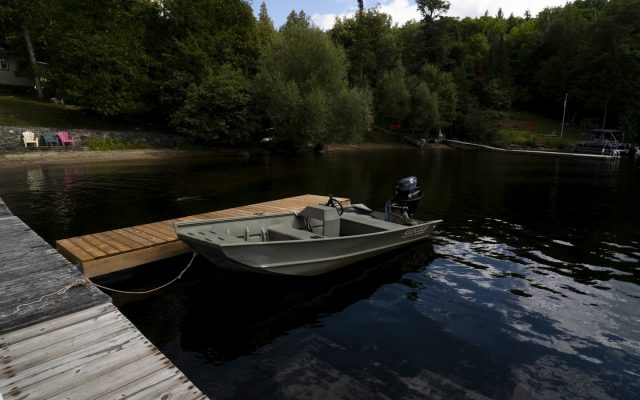
What it covers
What a boat policy covers.
What it covers
Hull and equipment
Physical damage to the boat, motor, trailer, and permanently attached equipment from accidents, theft, vandalism, weather, fire, and most other sudden losses.
What it covers
Liability coverage
Pays if you are responsible for injuring someone or damaging another boat or property while operating your watercraft. This is the liability coverage that homeowners policies do not provide on the water.
What it covers
Uninsured and underinsured boater
Pays medical bills and lost wages if you or your passengers are hurt by another boater who has no insurance or not enough insurance. Boat insurance is not required in most states, so uninsured boaters are common.
What it covers
Salvage, wreck removal, and fuel spill liability
Pays the cost of salvaging your boat after a major loss, removing it from the water, and federal liability for any fuel or oil spill it causes. These costs are often more than the boat itself is worth.
Where policies have edges
What a boat policy does not cover.
Not covered
Wear, tear, and gradual deterioration
Damage from age, normal wear, gradual leaks, blistering, marine growth, and lack of maintenance is an exclusion. Boat insurance covers sudden accidental loss, not maintenance.
Not covered
Operating outside the navigation area
Most boat policies define a navigation area (a specific lake, river, coastal range, or distance from shore). Operating beyond the agreed area can void coverage. If your use changes, update the policy.
Not covered
Racing and speed contests
Racing, speed contests, and similar competitive use are typically excluded unless specifically covered. An endorsement is available for some competitive use but requires disclosure.
Not covered
Operator restrictions
Some policies restrict who can operate the boat or require named operators. Operators not listed as a named insured or with poor records may not be covered. Confirm operator coverage matches who actually uses the boat.
Who needs this
Who needs Boat Insurance?
Any boat or watercraft owner. State boating laws and registration requirements vary, but the insurance gap is universal: standard homeowners policies are not designed to cover boats in use. Some marinas and slip leases require liability coverage as a condition of docking. If you want higher liability limits across your boat, home, and auto, an umbrella policy can sit on top.
What it costs
What can you expect to pay?
Varies by boat type, value, horsepower, operator experience, navigation area, and use. Most recreational boats cost between $200 and $800 per year. Larger boats, high-performance boats, and boats used in coastal or saltwater costs more.
Requirements by state
How does this work in your state?
Boat Insurance rules, regulatory requirements, and available coverage vary by state. Send us your state and details through a free coverage review and we will confirm what applies to you.
If You Need to File a Claim
Claims tips
Boat claims often involve weather damage, in-water collisions, or trailer accidents. The basics are similar to auto and home claims, with a few specifics.
- Make sure everyone is safe. If on the water, return to shore safely or signal for help. Call the Coast Guard or local marine patrol for any injury or major incident.
- Document the scene immediately. Photos and video of damage to your boat, the other boat (if a collision), the surrounding area, and weather conditions. Record names and contact info for any witnesses.
- File a formal incident report if required. State boating authorities require a written report for accidents involving injury, fatality, or significant property damage. Federal rules also apply for certain incidents.
- Do not abandon a damaged boat without trying to mitigate further damage. Most policies require you to take reasonable steps to limit further loss. If the boat is sinking and you can safely contact a tow service, do so. Reasonable salvage costs are usually reimbursable.
- Notify your carrier promptly. Get a claim number and adjuster contact in writing, and note how your deductible applies.
- For trailer-related accidents on the road, treat it as an auto incident first. Police report, photos, witness info. Your auto policy may also be involved if the trailer was being towed.
OUR CARRIER PANEL
Carriers We Work With
The carriers we compare are licensed and regulated in your state. We shop these markets and present the options that match your situation; a licensed advisor reviews the fit with you in a free coverage review.
Chubb
Premier coverage for high-value homes, collectibles, and affluent families in North Atlanta.
Learn moreForemost Insurance
Specialty personal lines coverage, including manufactured homes, seasonal properties, and non-standard risks.
Learn moreProgressive Insurance
Progressive is strong on auto and specialty vehicles. How they compare on ratings, claims, and who they suit best.
Learn moreSafeco Insurance
Safeco sells exclusively through independent agents like Olive Cover. An honest review of their ratings, product strengths, and who they fit
Learn moreCommon Questions
Boat Insurance: frequently asked questions
Does homeowners insurance cover my boat?
Most homeowners policies provide very limited coverage for small boats, typically up to $1,500 in property damage and no on-water liability.
What does a boat insurance policy actually cover?
A standard watercraft policy covers physical damage to your hull and motor from collision, fire, theft, and weather.
Does boat insurance cover my boat while stored or on a trailer?
Yes. Most watercraft policies cover the boat while stored on your property, in a marina facility, or on a trailer.
What is the difference between agreed value and actual cash value for boat insurance?
Agreed value pays the full insured amount with no depreciation if your boat is totaled or stolen.
What does a standard boat insurance policy cover?
A watercraft policy covers the hull and motor for collision, fire, theft, and weather damage.