
INLAND MARINE
Inland marine insurance, for property in transit or on the move.
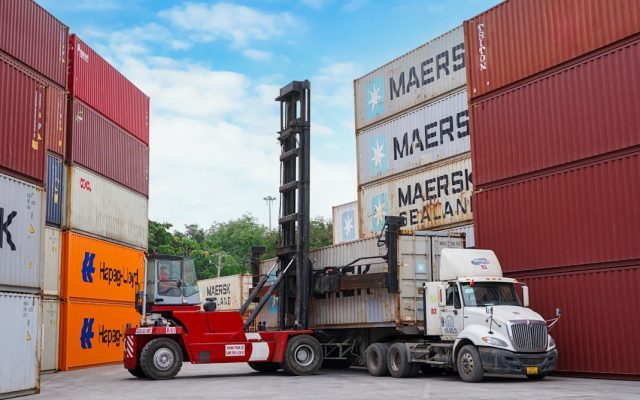
Despite the name, inland marine has nothing to do with boats. It covers contractor equipment, tools, mobile property, transported goods, and high-value items that move between locations. Critical for contractors and service-based businesses.
What it covers
What inland marine covers.
What it covers
Contractor equipment and tools
Heavy equipment, power tools, hand tools, and contractor-owned equipment used at job sites. Covers loss while on jobsite, in transit between sites, and stored at the contractor's facility.
What it covers
Installation floater
Materials and equipment being installed at a job site, covered from delivery through completion of installation. Often required by general contractors for subcontractors performing major installations.
What it covers
Mobile equipment and machinery
Equipment that moves under its own power or is moved between locations: bobcats, excavators, lifts, generators, light towers. Often higher value items requiring scheduled coverage at a stated amount, where each item is listed by value rather than covered under a blanket limit.
What it covers
Goods in transit and bailee coverage
Goods being transported by the insured (motor truck cargo) or being held for others (bailees customers). Critical for transportation, warehousing, and repair businesses, and it pairs naturally with commercial auto insurance when goods travel by company vehicle.
Where policies have edges
Where inland marine has limits.
Not covered
Wear and tear, gradual deterioration
Standard exclusion across all inland marine. Equipment failure from normal use, age, or maintenance issues is a maintenance exclusion and is not covered.
Not covered
Employee theft (without endorsement)
Standard policies often exclude employee theft. Commercial crime coverage or a specific endorsement is needed for that exposure.
Not covered
War, nuclear, and intentional acts
Standard exclusions across most P&C policies. Inland marine follows the same pattern.
Not covered
Items not scheduled or not insured at correct value
Higher-value items typically need to be scheduled with specific values. Unscheduled property may have sublimits or face coinsurance penalties.
Who needs this
Who needs Inland Marine Insurance?
General contractors, electrical and HVAC contractors, plumbing contractors, landscape contractors, transportation companies, repair shops holding customer property, jewelers who can also schedule pieces under scheduled articles coverage, photographers (camera equipment), and any business with substantial equipment that moves or is held for others. Many of these owners also carry a business owners policy for their building and liability.
What it costs
What can you expect to pay?
Inland marine pricing scales with equipment values, type of equipment, theft and damage exposure, and claims history. Most small to mid-market contractors pay between $500 and $5,000 annually for contractor equipment floaters.
Requirements by state
How does this work in your state?
Inland Marine Insurance rules, regulatory requirements, and available coverage vary by state. Send us your state and details through a free coverage review and we will confirm what applies to you.
If You Need to File a Claim
Claims tips
First Steps
Report the loss to your carrier the same day the theft, damage, or loss is discovered, inland marine policies covering tools and equipment in transit or at job sites often have tight reporting windows. Secure the remaining equipment and materials immediately to prevent further loss. If the loss involves theft, file a police report before contacting the carrier; most inland marine claims for stolen tools require a police report number to proceed.
What to Document
- Serial numbers, make, and model for every piece of missing or damaged equipment, pull from purchase receipts, asset logs, or manufacturer labels on surviving units
- Photographs of the job site, the vehicle, or the storage location showing how the loss occurred and the condition of remaining items
- The last known location and scheduled use of the equipment at the time of loss, carriers will ask whether the item was in transit, at a job site, or in storage
- Receipts or invoices for materials in installation transit that were damaged or lost
- Any delivery manifests, shipping records, or chain-of-custody documentation if the loss happened while equipment was being transported
Common Mistakes
Tools lost to gradual deterioration or mechanical failure are not covered, inland marine covers sudden, accidental loss, not wear. Employee theft is also excluded unless the policy includes a commercial crime endorsement; filing a claim for stolen tools without knowing whether an employee was involved can lead to a denial. A second common problem is failing to maintain an updated equipment schedule, if a tool was added after the policy issued and was never scheduled, it may not be covered or may be subject to a lower blanket sublimit.
When to Call Us
Any time a significant piece of equipment goes missing, is damaged in transit, or a job-site loss touches materials that were mid-installation. We can review your equipment schedule against the claim to flag coverage gaps before you submit, and help clarify whether the loss falls under your inland marine policy or a separate commercial auto or general liability claim.
OUR CARRIER PANEL
Carriers We Work With
The carriers we compare are licensed and regulated in your state. We shop these markets and present the options that match your situation; a licensed advisor reviews the fit with you in a free coverage review.
Carriers reviewed by Olive Cover that write this coverage. An honest look at their appetite, strengths, and fit:
Common Questions
Inland Marine Insurance: frequently asked questions
What's a bailee's customer policy?
Bailee's customer covers property owned by others while it is in the bailee's care, custody, or control. Critical for repair shops, dry cleaners, warehouses, and storage facilities.
Do contractors need inland marine insurance if they have general liability?
Yes for most contractors. General liability does not cover damage to the contractor's own tools and equipment. Inland marine fills that gap, covering loss of contractor-owned equipment at job sites, in transit, and stored at the shop.
What does inland marine insurance cover, despite the name?
Inland marine covers property in transit, contractor equipment, mobile machinery, goods held for others, and high-value items that move between locations. It has nothing to do with boats or maritime insurance.