
Many Georgia homeowners believe they are fully protected because they have a homeowners policy. Then a fire, a tornado, or a burst pipe forces a rebuild, and they discover the painful truth: their dwelling coverage was thousands, sometimes hundreds of thousands of dollars short of what it actually costs to rebuild their home. This is called being underinsured, and it is one of the most common and most expensive gaps in home insurance today.
Olive Cover is the consumer brand of Olive Insurance Services, LLC, an independent property and casualty agency licensed in Georgia. We review homeowners policies across metro Atlanta and the rest of the state, and underinsured dwelling coverage is the single most frequent problem we find.
What dwelling coverage is
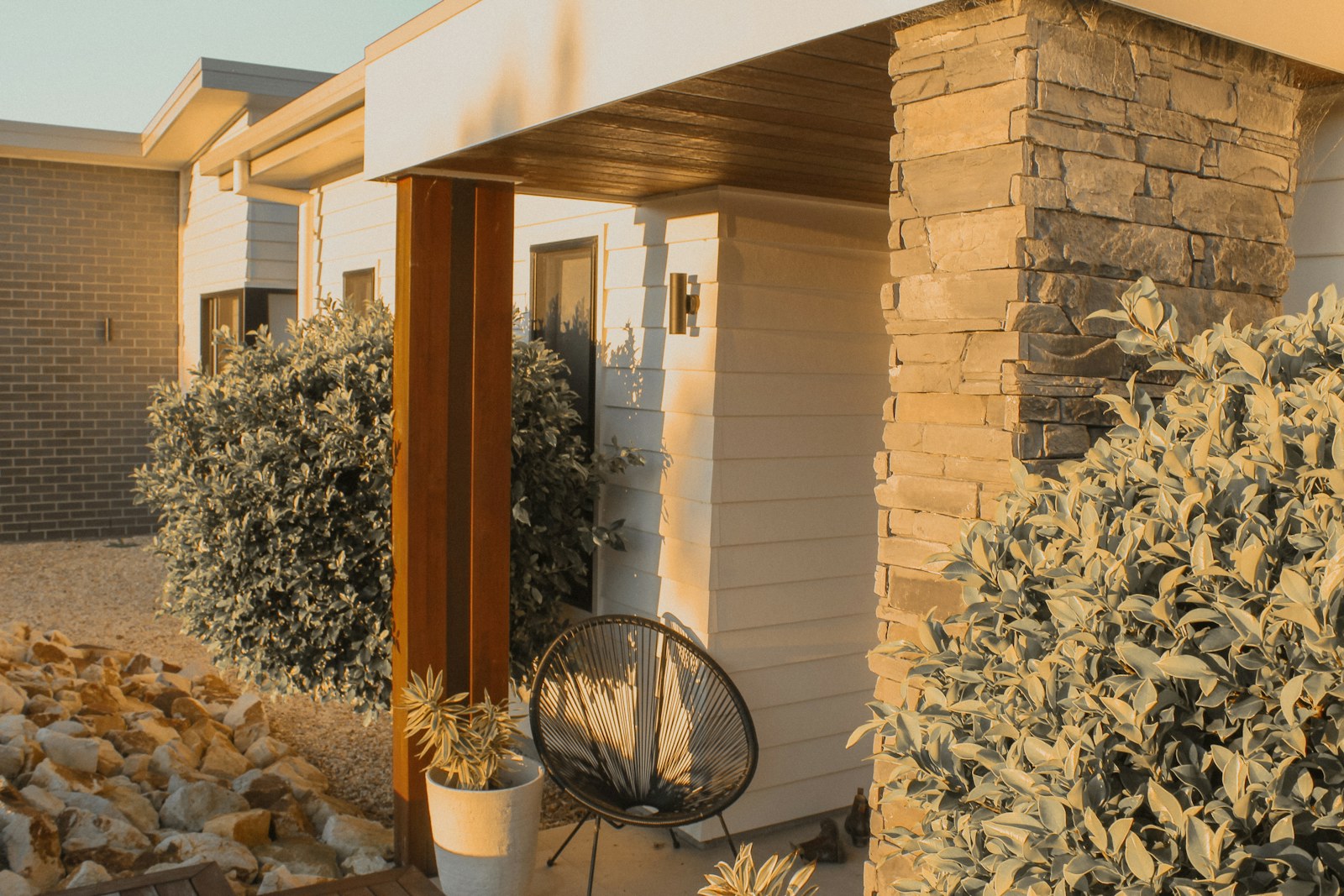
Dwelling coverage, often listed as Coverage A on your policy, is the part of a homeowners policy that pays to repair or rebuild the physical structure of your house after a covered loss. That includes the walls, roof, floors, built-in cabinets, plumbing, wiring, and attached structures like a garage. It does not cover your belongings, which fall under personal property coverage, or your liability, which is a separate part of the policy.
The number on your declarations page next to Coverage A is supposed to equal the cost to rebuild your home from the ground up at today's construction prices. Not what you paid for it. Not its market value. Its rebuild cost. Confusing these three numbers is where most underinsurance begins. If you want to see how all these figures appear on your policy, our explainer on reading your declarations page walks through it line by line.
Why so many Georgia homes are underinsured
Underinsurance is rarely the homeowner's fault. It builds up quietly over years for several reasons.
1. Construction costs have climbed fast
The cost of lumber, concrete, roofing, and skilled labor has risen sharply in recent years. CoreLogic and other firms that track construction costs have reported steep increases across the Southeast. A policy written five years ago with a Coverage A limit that was accurate then can be badly out of date now, simply because rebuilding costs more today.
2. Market value is not rebuild cost
The price a buyer pays includes the land, the neighborhood, and demand. None of that burns down in a fire. In some North Atlanta communities, land is so valuable that the market price is far above rebuild cost. In other areas the reverse is true: an older home in a modest market may cost more to rebuild than it would sell for, because rebuilding means new materials and current building codes. Either way, market value is the wrong number to insure to.
3. Renovations never got reported
You finished the basement, added a deck, upgraded to a custom kitchen, or built a sunroom. Those improvements raised the cost to rebuild your home, but if you never told your insurer, your Coverage A limit never moved to match. We see this constantly.
4. Building codes change
When you rebuild after a major loss, you must rebuild to current code, which can be more expensive than the original construction. Newer wiring, hurricane straps, updated insulation, and other code requirements add cost that an old policy limit may not anticipate.

Real-world Georgia examples
These illustrations show how the gap appears and what it costs.
Example 1: The Cumming homeowner after a fire
A family in Cumming bought their home for $500,000. Their policy lists $360,000 in dwelling coverage, a figure that seemed fine years ago. A kitchen fire spreads and the home is a total loss. The actual cost to rebuild, at today's prices and to current code, is $480,000. Their policy pays its $360,000 limit and the family is left to cover the remaining $120,000 themselves, on top of their deductible. They were underinsured by $120,000 and did not know it until the worst possible moment.
Example 2: The Alpharetta renovation that was never reported
A homeowner in Alpharetta spends $90,000 finishing a basement and upgrading the kitchen but never updates the policy. A pipe bursts and water destroys both. The insurer calculates the rebuild based on the original, smaller home. The custom finishes are not fully covered, and the homeowner absorbs tens of thousands in out-of-pocket repairs. A two-minute call after the renovation would have closed the gap.
Example 3: The Lawrenceville tornado total loss
A storm tears through Lawrenceville and destroys a home. The owner has $300,000 in dwelling coverage. Because of code upgrades and higher labor costs after a regional disaster, when many homes need rebuilding at once, the true rebuild cost reaches $390,000. Without enough coverage and without ordinance-or-law coverage to handle code upgrades, the owner faces a large shortfall. The National Weather Service confirms Georgia sees regular tornado and severe-storm activity, so this scenario is far from rare. Our overview of Atlanta tornado, hail, and wind coverage covers this storm risk in more depth.
Actual cash value versus replacement cost
How your policy pays matters as much as the limit. There are two main approaches. Actual cash value pays the depreciated value of your home, subtracting for age and wear, which can leave a huge gap on an older roof or home. Replacement cost coverage pays what it costs to rebuild with new materials, no depreciation subtracted, up to your limit. Most homeowners want replacement cost on the dwelling, and many do not realize which one they actually have. Our deeper comparison of actual cash value versus replacement cost explains the difference and why it can be worth thousands at claim time.
Even replacement cost coverage only pays up to your Coverage A limit. That is why setting the right limit and choosing replacement cost go hand in hand. One without the other still leaves you exposed.
Extra protections that close the gap
Insurers offer features designed specifically to guard against underinsurance. Ask whether your policy includes them.
- Extended replacement cost. This adds a cushion, often an extra 25 or 50 percent above your dwelling limit, so a surprise in rebuild cost does not leave you short.
- Guaranteed replacement cost. The strongest option. The insurer rebuilds your home even if the cost exceeds your stated limit. Availability varies, but it is the gold standard against underinsurance.
- Ordinance or law coverage. This pays the added cost of rebuilding to current building codes, which is exactly the gap that hurt the Lawrenceville homeowner above. An endorsement like this can be inexpensive relative to the protection it provides.
- Inflation guard. This automatically nudges your dwelling limit up each year to keep pace with rising construction costs, so your coverage does not silently fall behind.
How to figure out the right amount
You do not have to guess.
- Estimate your rebuild cost. A rough starting point is local cost per square foot to build, multiplied by your home's square footage, but custom features and quality finishes push that higher. An independent agent can run a detailed rebuild-cost estimate for you.
- Compare it to your Coverage A limit. Pull your declarations page and check the number against your estimate. If your limit is lower, you have a gap to close.
- Account for renovations. List every improvement since your policy was written and make sure the limit reflects them.
- Add the right protections. Layer on extended or guaranteed replacement cost, ordinance or law, and inflation guard.
- Review every year. Construction costs and your home both change. An annual check keeps you current.
How dwelling coverage connects to the rest of your policy
Underinsurance rarely travels alone. Homeowners who are short on dwelling coverage are often short elsewhere too. This is one of the gaps we highlight in our overview of common Georgia homeowners insurance gaps, and it is especially common in higher-value communities, as we describe in why North Atlanta homeowners are often underinsured. If you own a condo rather than a single-family home, the dwelling math works differently, and our condo insurance page explains what your policy versus the association's policy must cover. For the core product itself, see our homeowners insurance overview.
Common questions from Georgia homeowners
Should I insure my home for what I paid for it?
No. Insure it for what it would cost to rebuild, which can be higher or lower than the purchase price. The purchase price includes land, which does not need rebuilding.
My mortgage company set my coverage. Is that enough?
Not necessarily. Lenders mainly want to protect their loan balance, not guarantee you can fully rebuild. The loan amount is not a rebuild estimate. Always confirm the dwelling limit reflects true rebuild cost.
Will raising my coverage cost a lot more?
Usually less than people fear. Closing a $100,000 dwelling gap often costs a modest amount per year, far less than carrying that risk yourself. Protections like ordinance or law are typically inexpensive for the security they add.
How often should I review my dwelling limit?
At least once a year, and any time you renovate, finish a basement, add square footage, or notice construction costs climbing in your area.
Putting it all together
Being underinsured on your dwelling is a silent risk. Everything feels fine until the day you need to rebuild, and then the shortfall becomes painfully real. The good news is that this gap is entirely fixable. Insure your home to its true rebuild cost, not its market price or purchase price. Choose replacement cost over actual cash value. Add extended or guaranteed replacement cost, ordinance or law, and inflation guard. Report your renovations. Review your homeowners coverage every year.
If you are not sure whether your dwelling limit matches what it would actually cost to rebuild your home, that is exactly the question a coverage review is built to answer. Olive Cover, the consumer brand of Olive Insurance Services, LLC, helps Georgia homeowners check their numbers and close the gaps before a loss exposes them. Start with a free coverage review, explore the personal carriers available through us, or visit our frequently asked questions to keep learning. A few minutes now can save you from a six-figure surprise later.